Average Reviews:

(More customer reviews)Are you looking to buy The Rough Guide to Film Noir? Here is the right place to find the great deals. we can offer discounts of up to 90% on The Rough Guide to Film Noir. Check out the link below:
>> Click Here to See Compare Prices and Get the Best Offers
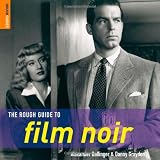
The Rough Guide to Film Noir ReviewI've read a number of Rough Movie Guides over the past couple of years, including ones on horror, science fiction, comedy and gangster movies. What was common to all these books was that they were about genres. The Rough Guide to Film Noir, however, is more about a style that, while typically associated with crime movies, can cross over into other areas as well.It is therefore a good thing that this book starts by trying to define noir and describe its history. Noir was a style recognized principally after the fact: the creators of noir during its classic period of the mid-`40s to mid-`50s didn't set out to make noir films, but some shared factors linked them together. In particular, the films tended to be cynical and morally ambiguous, set in an urban contemporary environment, with antiheroes and femme fatales rather than strict good guys and bad guys. They had a look to them that worked best in black-and-white, with an emphasis on shadows. Some of this was the result of low budgets (most noirs were B pictures), the influence of German expressionism (brought over from Europe by directors like Fritz Lang and Billy Wilder), and the new attitudes that came to the U.S. after World War II.
The Rough Guide traces noir to its roots in early genre pictures such as horror movies and gangster films. And though noir would be mostly associated with films in the decade or so after WWII, it would continue to influence movies up to modern times, as shown in the Guide's Canon of 50 essential films, which includes the very recent Kiss Kiss Bang Bang.
As is typical with these guides, the choices made for these 50 films are debatable. While certain films definitely merit inclusion - such as Out of the Past, Kiss of Death and L.A. Confidential - others are more iffy, such as the aforementioned Kiss Kiss Bang Bang (a decent enough movie, but too new to have really earned a "classic" status).
The Guide also provides brief looks at some of the icons of noir (such as Lang, Wilder, Robert Mitchum or Barbara Stanwyck), a section on some common settings for these movies (such as Los Angeles or San Francisco), a look at noir in other genres beyond crime and a chapter on noir produced by other countries.
Despite some minor errors (I haven't read a Guide yet that doesn't have some mistake in it when describing a movie plot line), this book is still a decent reference book, both readable and informative. There are plenty of other books on film noir out there, but the Rough Guide serves its purpose well as a compact introduction to a highly influential style of movie making.
The Rough Guide to Film Noir OverviewFrom dimly lit streets and glamorous apartments to world-weary detectives and irresistible femmes fatales, The Rough Guide to Film Noir illuminates every corner of cinema's darkest and most compelling genre. From early masterpieces like Double Indemnity and Kiss Me Deadly through to neo-noir classics such as Chinatown and LA Confidential, this book highlights all the groundbreaking noir movies. There are profiles of legendary performers such as Humphrey Bogart and Barbara Stanwyck, great directors like Fritz Lang plus key cinematographers, composers and designers. Complete with website listings and books for further reading, this Rough Guide takes a fascinating look at the noir movies made in the Classical Hollywood era and beyond.
Want to learn more information about The Rough Guide to Film Noir?
>> Click Here to See All Customer Reviews & Ratings Now

0 comments:
Post a Comment